Overview
Bias in hiring can appear in many places: in job requirements, screening questions, interview notes, informal recommendations and final decision meetings. Some bias is intentional, but much of it is unconscious. That makes it difficult to remove with good intentions alone.
AI-supported recruitment tools can help reduce bias when they are designed and used carefully. The most important contribution is structure. Clear criteria, consistent questions, documented interviews and team review make it easier to evaluate candidates on relevant evidence rather than subjective impressions.
Why Bias Is Hard to Control
Traditional hiring processes often depend on unstructured interviews and personal interpretation. One interviewer may focus on communication style, another on technical details, another on career history. Without a shared framework, candidates can be judged on different standards.
The same issue appears in respondent recruitment for research projects. If screening is inconsistent, the final sample may not match the study criteria. A structured process helps teams apply qualification rules fairly and transparently.
How Interviewly Supports Fairer Evaluation
Interviewly helps teams reduce bias by creating a more standardized recruitment and screening workflow.
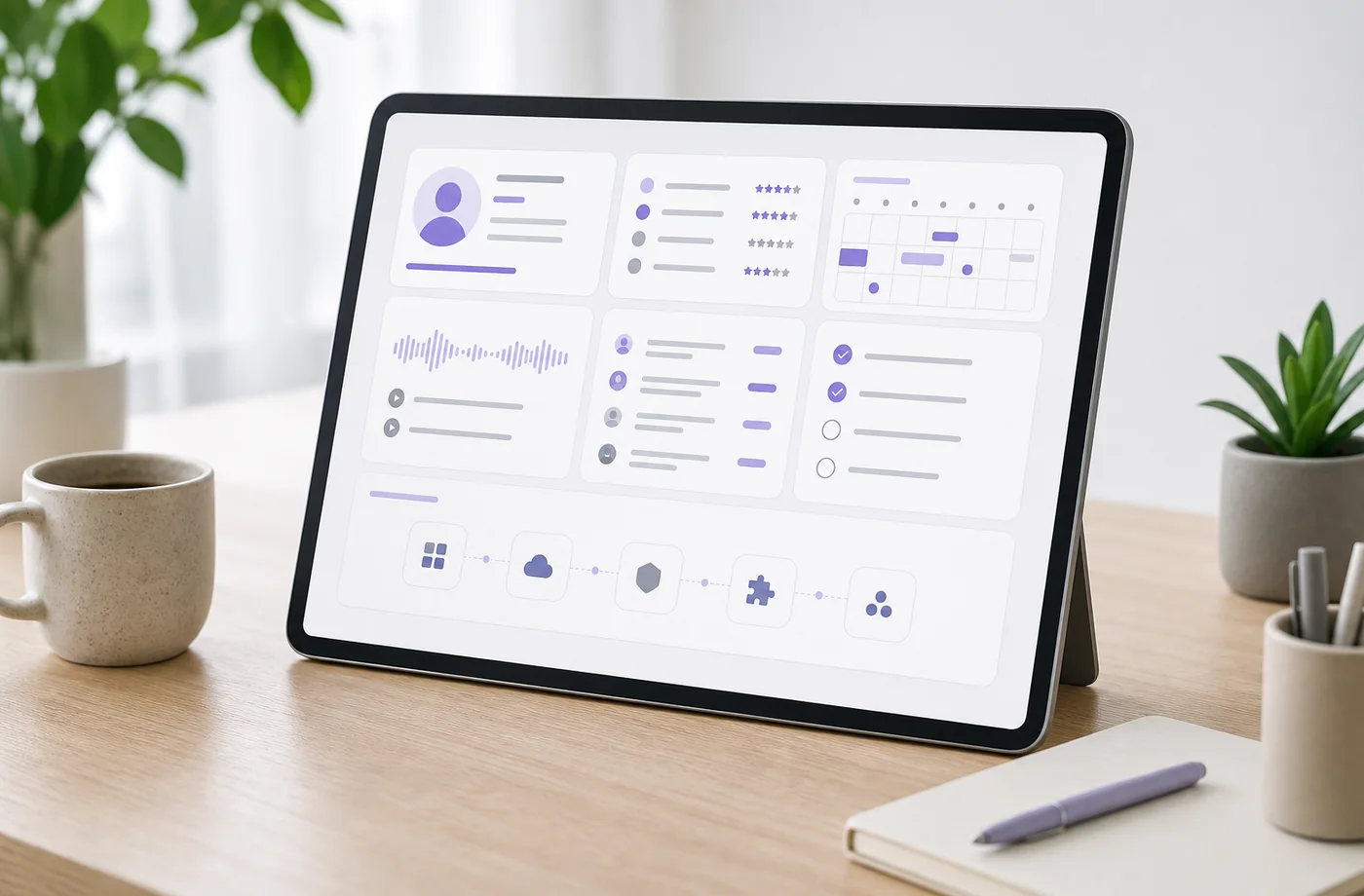
Candidate management keeps information organized and helps recruiters apply the same process to every candidate. Teams can see which criteria were checked and what stage each person has reached.
AI-powered candidate evaluation supports assessment against predefined criteria. Used responsibly, it can help teams focus on role-related skills, experience and answers rather than irrelevant personal impressions.
Interview scheduling gives candidates a more equal opportunity to participate by reducing inconsistent communication and manual coordination errors.
Automated transcription creates a record of what was actually said in an interview. This reduces reliance on memory and makes it easier to revisit answers during review.
Collaborative workshops allow several people to discuss candidates together. This can reduce the influence of one person's assumptions and bring more perspectives into the decision.
Customizable tests help teams assess specific skills or competencies. When tests are tied to the actual role or project criteria, decisions become easier to justify.
API integration reduces manual data handling and helps maintain consistent records across systems.
A multilingual interface supports fairer access for candidates and respondents from different language backgrounds.
Fairness Requires Good Design
AI does not automatically make hiring fair. If the criteria are poorly designed, if data is incomplete or if the team over-relies on automated outputs, bias can still remain. Fair hiring requires careful setup, regular review and human oversight.
Recruiters should define what matters before reviewing candidates. Interview questions should be relevant to the role. Tests should measure skills that are genuinely needed. Automated evaluation should support the decision, not make the decision alone.
Business Benefits of Reducing Bias
Fairer hiring is not only an ethical issue. It also improves business outcomes. When teams evaluate candidates consistently, they are more likely to identify qualified people who might otherwise be overlooked. They also reduce the risk of poor documentation, inconsistent decisions and weak candidate experience.
For research teams, fair respondent screening improves sample quality. It helps ensure that people are invited because they meet the study criteria, not because of subjective assumptions.
Conclusion
AI can help reduce bias in hiring when it is used to create structure, consistency and better documentation. Interviewly supports this by helping teams manage candidates, apply defined criteria, transcribe interviews, collaborate on decisions and work across languages. The result is a recruitment process that is easier to review, easier to explain and more focused on relevant evidence.
Want a cleaner recruitment workflow?
See how Interviewly helps teams structure screening, interviews, notes and client review across recruitment and research projects.
Explore the platform