Overview
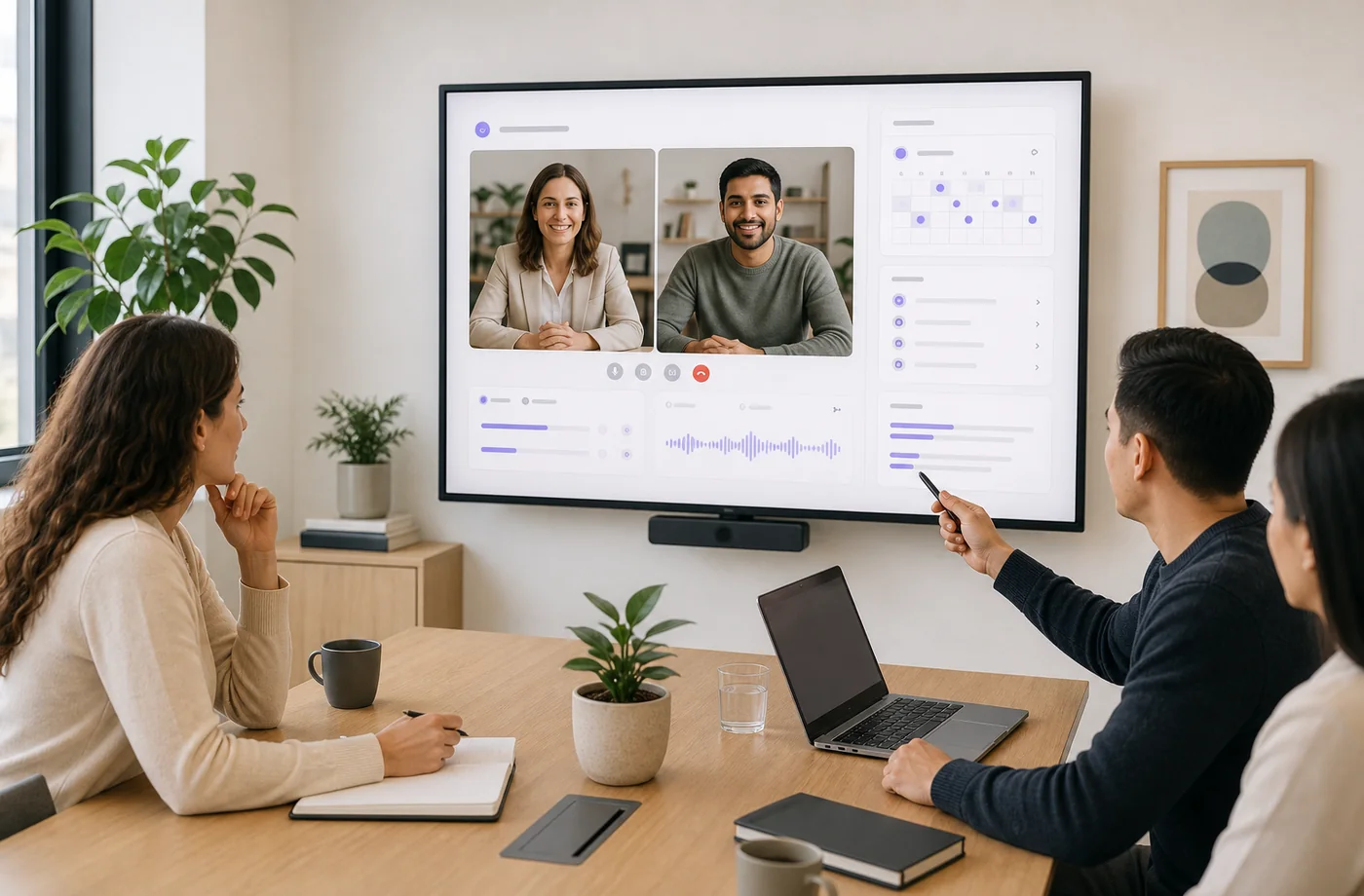
Video interviews have become a normal part of recruitment. They help companies reach candidates in different cities and countries, reduce travel and make early-stage interviews easier to schedule. They are also useful in market research, where online qualitative interviews, expert conversations and remote respondent sessions are now common.
AI can support video interviews by improving scheduling, documentation and structured evaluation. The value is practical: better records, faster review and a more consistent process for both candidates and interview teams.
Why Video Interviews Keep Growing
Remote and hybrid work changed expectations around hiring. Candidates are used to meeting online. Employers want access to wider talent pools. Research teams want to speak to respondents wherever they are. Video interviews make these workflows possible without losing the value of a direct conversation.
However, video interviews also create operational challenges. Teams need to coordinate times, keep candidate information organized, capture interview content and share results with decision-makers. This is where a platform like Interviewly can help.
Interviewly's Role in Video Interviews
Interviewly combines several features that support video-based recruitment and research conversations.
Candidate management keeps profiles, screening information and interview history organized. This gives recruiters and researchers the context they need before each conversation.
AI-powered candidate evaluation helps teams review responses against relevant criteria. In a video interview process, this supports consistency across candidates and interviewers.
Interview scheduling reduces the administrative work of arranging online sessions. It helps recruiters coordinate candidates, interviewers and stakeholders more efficiently.
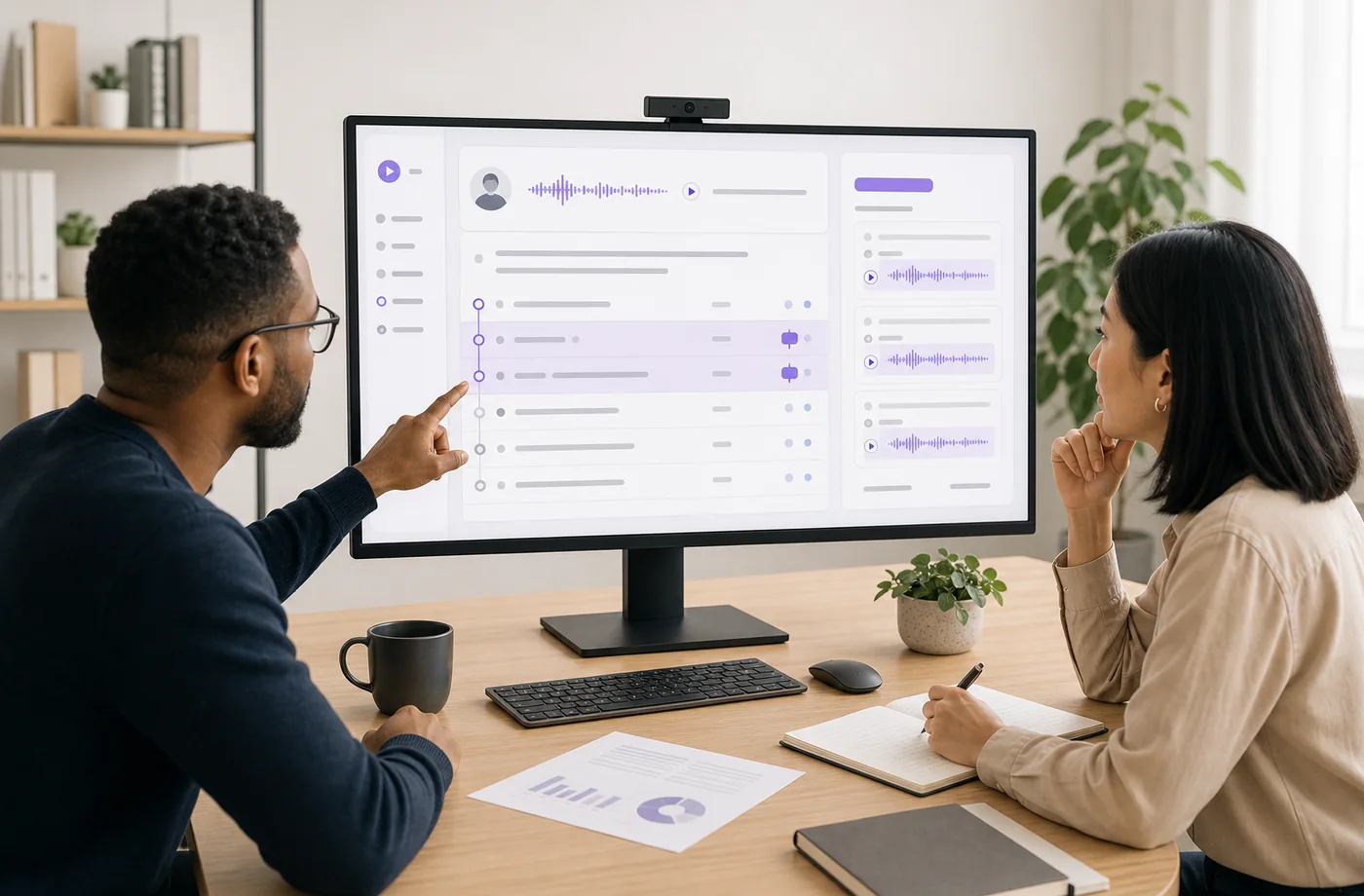
Automated transcription creates a written record of the conversation. This is valuable when teams need to compare answers, prepare summaries or revisit specific parts of an interview.
Collaborative workshops allow teams to review interview outcomes together. Decision-makers can discuss the same material instead of relying on separate notes.
Customizable tests can be added when a role or project requires a specific skill check or qualification step.
API integration helps connect the video interview workflow with existing systems.
A multilingual interface supports interviews across markets and languages.
Benefits for HR and Research Teams
For HR teams, video interviews can shorten the hiring process and make it easier to involve hiring managers. Recruiters can run early conversations remotely, document them and share structured feedback.
For research teams, video interviews make specialist and cross-market conversations easier to manage. Transcription and structured screening are especially useful when projects involve many interviews or several countries.
Keeping Video Interviews Human
Technology should not make interviews feel mechanical. The purpose of AI support is to reduce admin work, not to make conversations impersonal. Recruiters and moderators still need to listen carefully, ask good follow-up questions and create a respectful environment.
When the process is well designed, AI supports the human parts of interviewing by giving teams more time and better records.
Conclusion
Video interviews are now a practical standard for recruitment and qualitative research. AI can make them easier to manage by improving scheduling, transcription, structured evaluation and collaboration. Interviewly supports these needs in one workflow, helping teams run remote interviews with more consistency and less administrative friction.
Want a cleaner recruitment workflow?
See how Interviewly helps teams structure screening, interviews, notes and client review across recruitment and research projects.
Explore the platform